Philanthropist
A girls' school, a water supply, a theatre and the Quran in the mother tongue.
Wealth given to the people
Taghiyev's name entered history not because of oil but because of how he disposed of his money. He spent his fortune on enlightenment and the needs of the people on such a scale that he was called the 'father of the nation'. Schools and scholarships, a water supply and a theatre, books and hospitals — all were built and maintained at his expense.
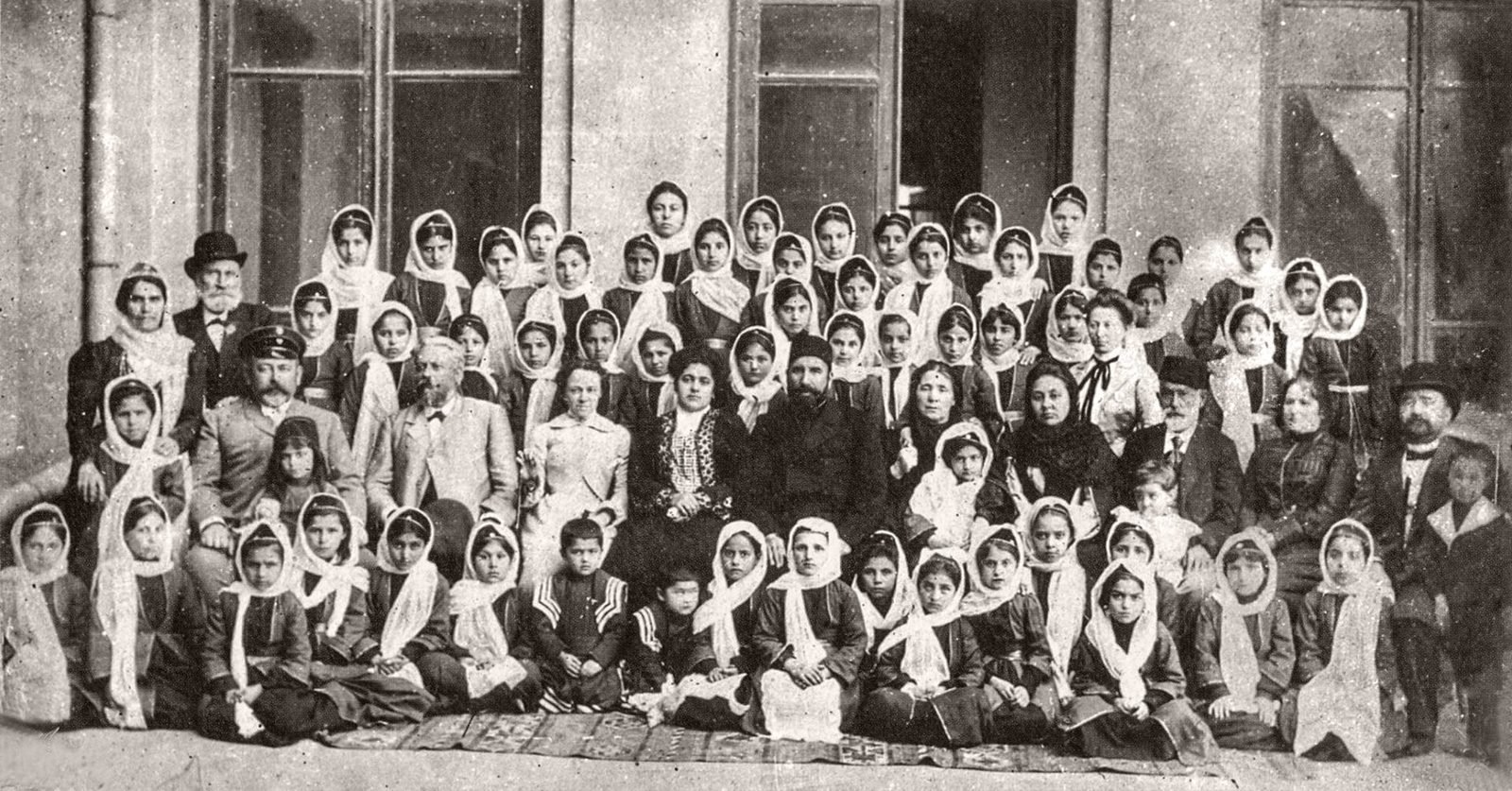
The first school for girls
Taghiyev's chief work was the first secular school for Muslim girls in the Russian Empire, opened in Baku in 1901. In an age when education for Muslim girls was thought unthinkable, Taghiyev obtained permission, built the building and maintained the school. It was a true revolution — the first educated Azerbaijani women came from here.
The legacy of an enlightener
The girls' school
The first secular school for Muslim girls in the Russian Empire, built and maintained by Taghiyev in Baku.
The Shollar water supply
Taghiyev funded the solution of Baku's water crisis — a pipeline carrying clean water to the city from dozens of kilometres away.
The Taghiyev Theatre
He built a theatre bearing his name and paid for productions — at the very roots of Azerbaijani theatre and opera.
The Quran in the mother tongue
He obtained permission and paid for the translation and printing of the Quran into Azerbaijani, ordering equipment from abroad.
Scholarships
He sent able young men to study abroad; his scholarship-holders were future figures of culture and politics.
City and faith
He funded paving and parks, mosques and madrasas, the fire brigade and the horse tram — everything that made Baku a modern city.
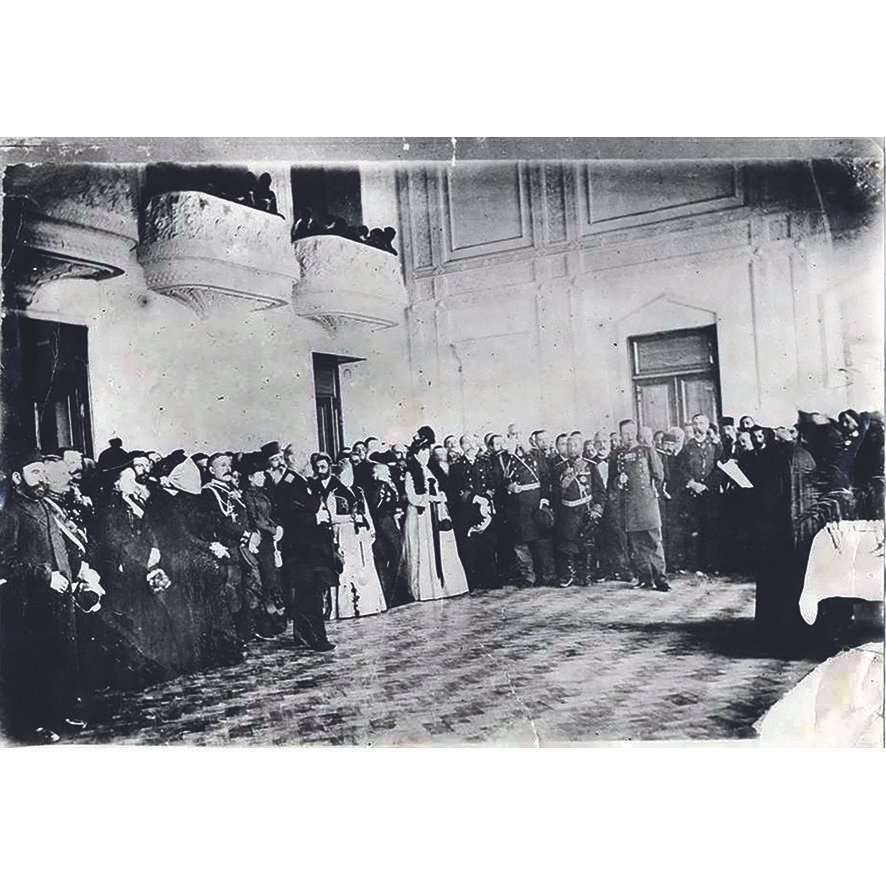
The girls' school · 1901
He believed that the chief wealth of a people is not oil but knowledge; and all his life he invested in it.